
FELIS / Tianhong / commercial
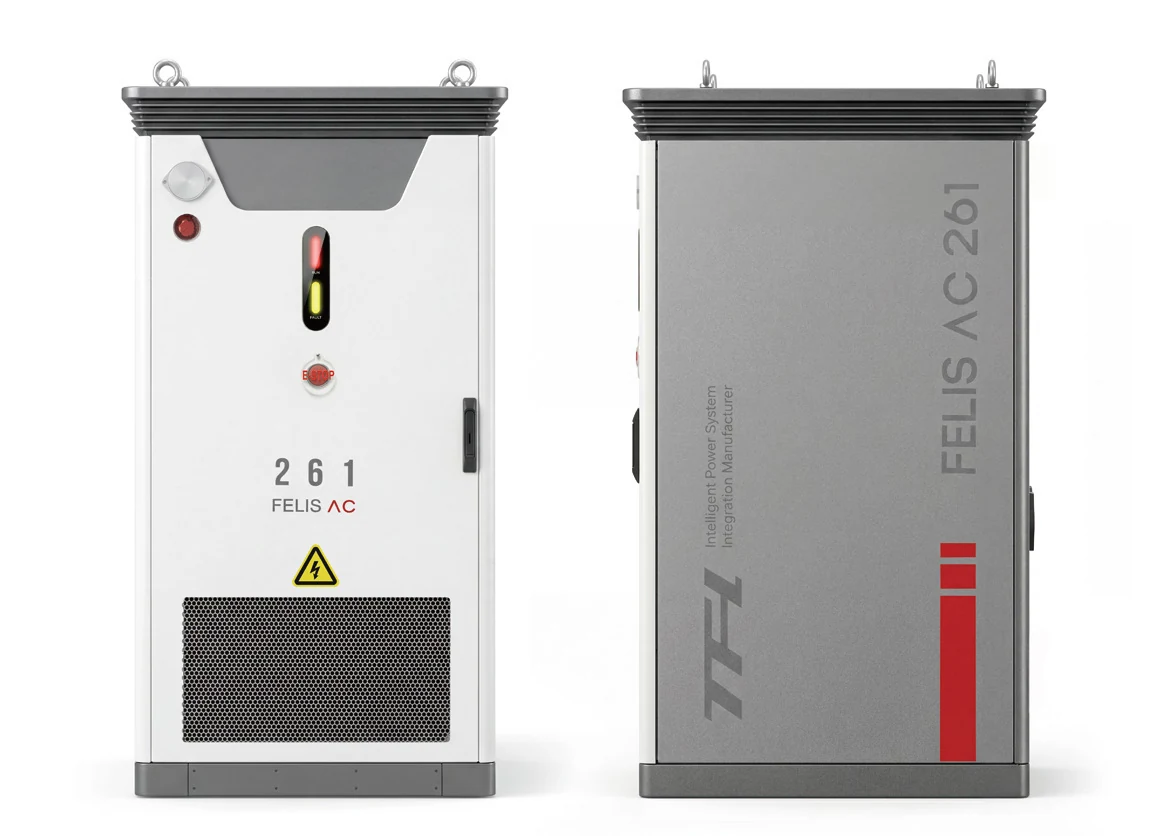
FELIS AC261
261.248 kWh · Liquid-cooled storage
Explore the system
For business
Explore commercial solar and storage around your load profile, operating hours and plans for growth.
See commercial storage at work
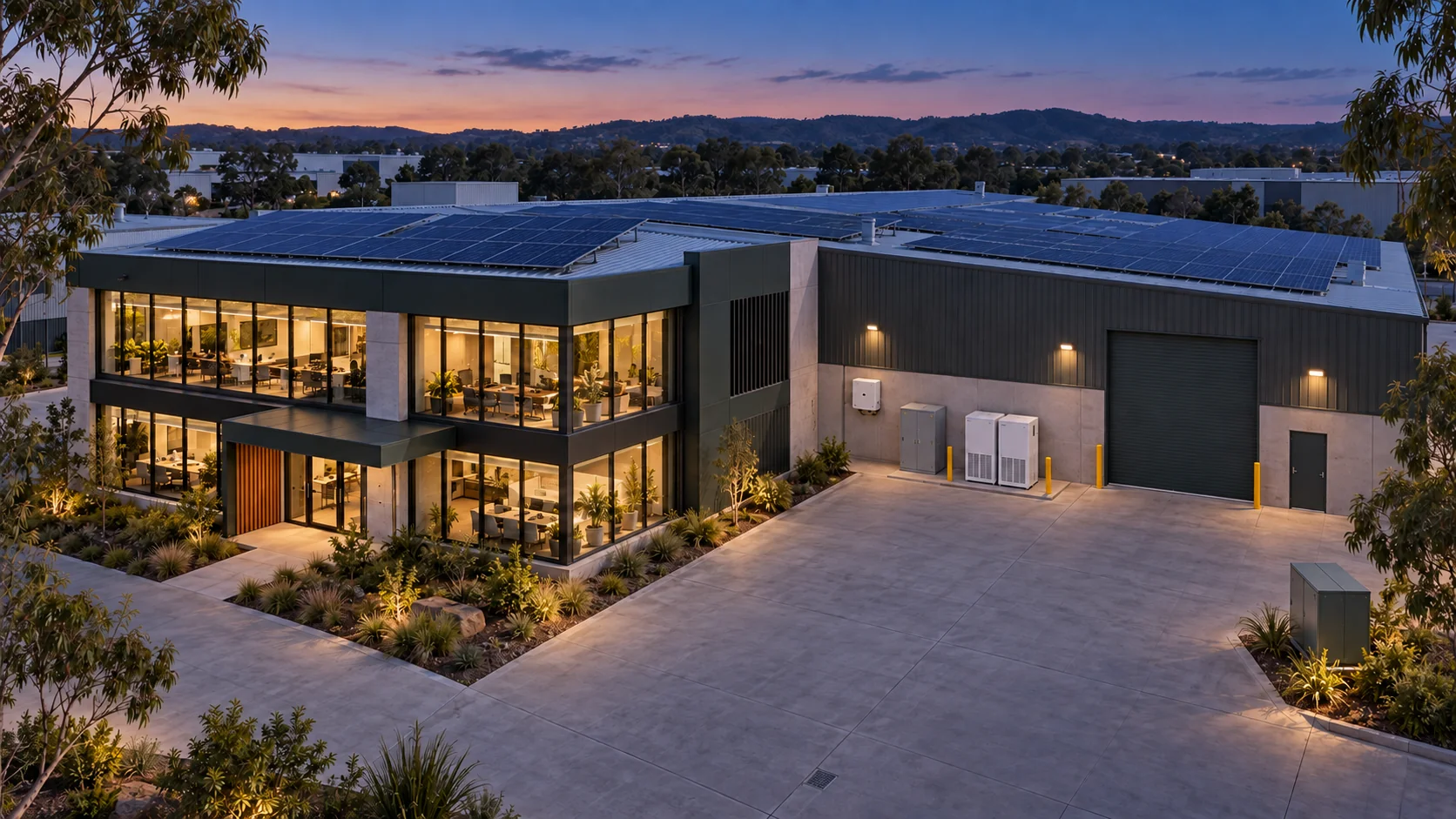
Follow the flow through an office and warehouse complex. Explore five ways to manage a working building’s energy.
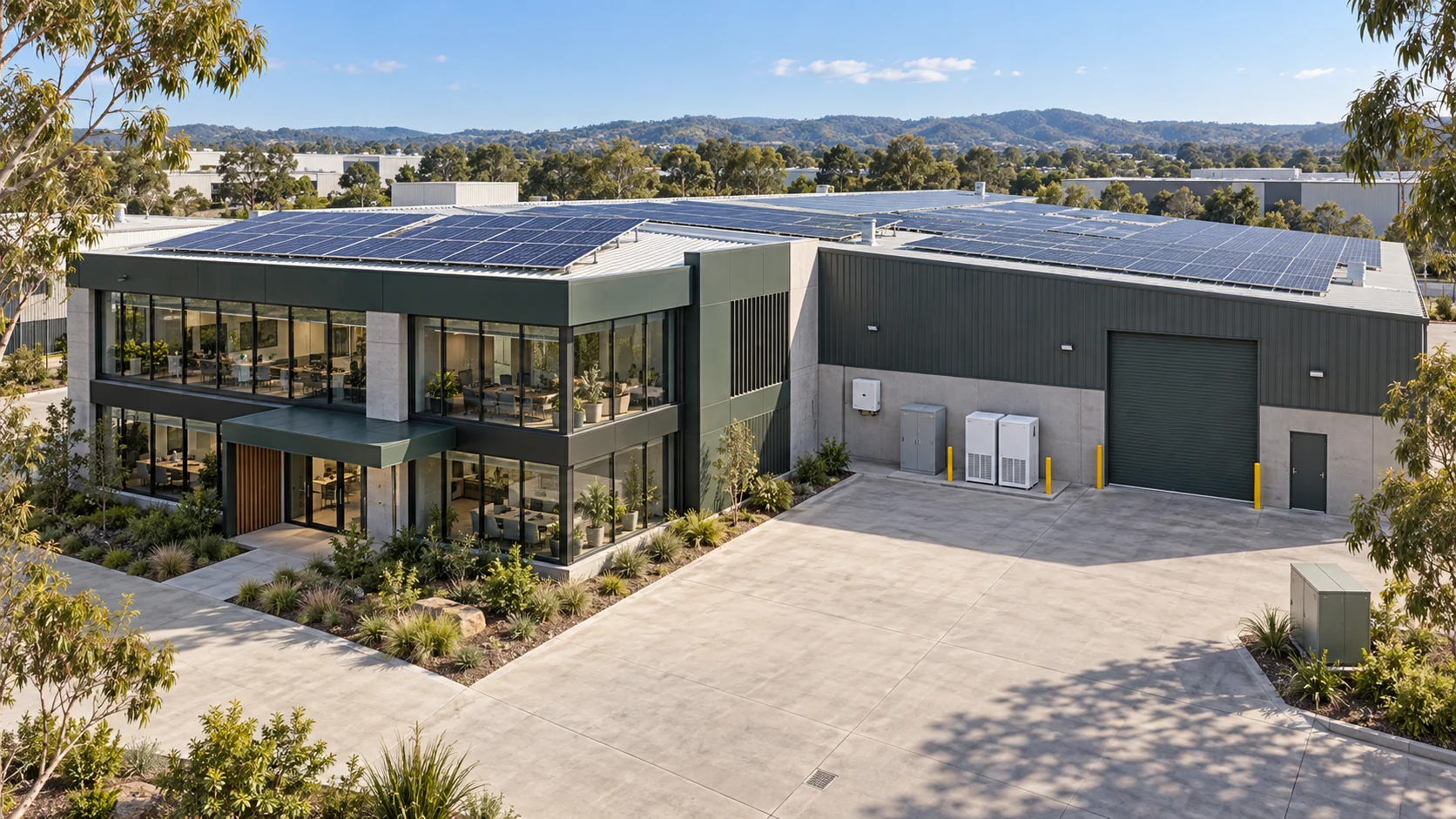
01 / Rooftop solar
Panels produce DC electricity. A separate solar inverter converts it to AC before it reaches this site’s switchboard. The example readings show AC output after conversion.
Discuss commercial solar02 / Solar inverter
The PV inverter converts rooftop generation to AC. This example uses AC-coupled storage; systems with integrated PV inputs can use a different architecture.
Plan the complete system03 / AC switchboard
The main AC switchboard connects solar, battery conversion, grid supply and building loads. The site meter and energy management system help coordinate import, export and battery dispatch.
Assess your site04 / Battery + PCS
The battery stores DC energy. Its bidirectional power conversion system (PCS) converts AC to DC when charging and DC to AC when discharging. The cabinets shown are conceptual, not exact product models.
Explore FELIS AC26105 / Building loads
Lighting, cooling, equipment and operating hours shape the load profile. Battery sizing needs interval meter data, peak duration and growth plans, not just the size of the building.
Discuss your load profile06 / Grid connection
The grid covers any shortfall and may receive approved exports. Connection limits and the tariff affect the result. Ordinary grid-connected storage does not automatically provide outage backup.
Explore business incentives01 / Use solar
Solar supplies part of the building’s demand. The grid supplies the remainder while the battery is idle.
Illustrative example · AC-side power
02 / Store surplus
Solar supplies the building and charges the battery through its power conversion system. A small surplus is exported where the connection permits.
Illustrative example · AC-side power
03 / Reduce peaks
Solar, battery and grid work together. Battery discharge reduces grid import at this instant; bill savings depend on the tariff and its demand-measurement rules.
Illustrative example · AC-side power
Grid import at this instant
04 / After hours
With no solar generation, stored energy supplies part of the after-hours load. The grid supplies the rest. This is normal grid-connected operation.
Illustrative example · AC-side power
05 / Tariff shifting
The grid supplies the building and charges the battery. A control strategy must account for tariffs, conversion losses, battery wear and the risk of creating a new demand peak.
Illustrative example · AC-side power
Example AC-side power snapshots, not live data or product ratings. kW measures power; kWh measures stored energy. Conversion losses and state of charge are not modelled.
Think beyond the equipment
Interval meter data, demand charges and solar generation tell the story behind your energy bill. Assess where storage could help shift consumption, manage peaks or support selected operations.
Savings and payback require site-specific modelling, tariff assumptions and a written proposal.
Build the case around your site
The strongest case comes from your meter data, tariff and operating needs.
Shift surplus generation into later operating hours. Compare avoided purchases with export revenue, conversion losses and battery costs.
Discharge at the right time to reduce grid-import peaks. The result depends on the tariff’s measurement window, battery power, available energy and every relevant peak.
Store lower-cost electricity for later use where the price spread justifies losses and wear. Controls must also prevent charging from creating a costly new demand peak.
Selected critical loads may be supported with a suitable backup design, isolation, protection and controls. A standard grid-connected cabinet is not automatically a UPS or a whole-building backup system.
Start with 12 months of interval electricity data, your full tariff (including demand charges), solar generation/export data, operating hours, critical-load requirements, lease or ownership details, connection limits and future load changes. Model battery power, usable energy, efficiency, reserve, degradation, installed costs and service costs together.
Sites with several tenants also need an agreed metering and benefit-allocation model. Demand-response or VPP income requires a suitable contract and dispatch strategy; it is not assumed here.
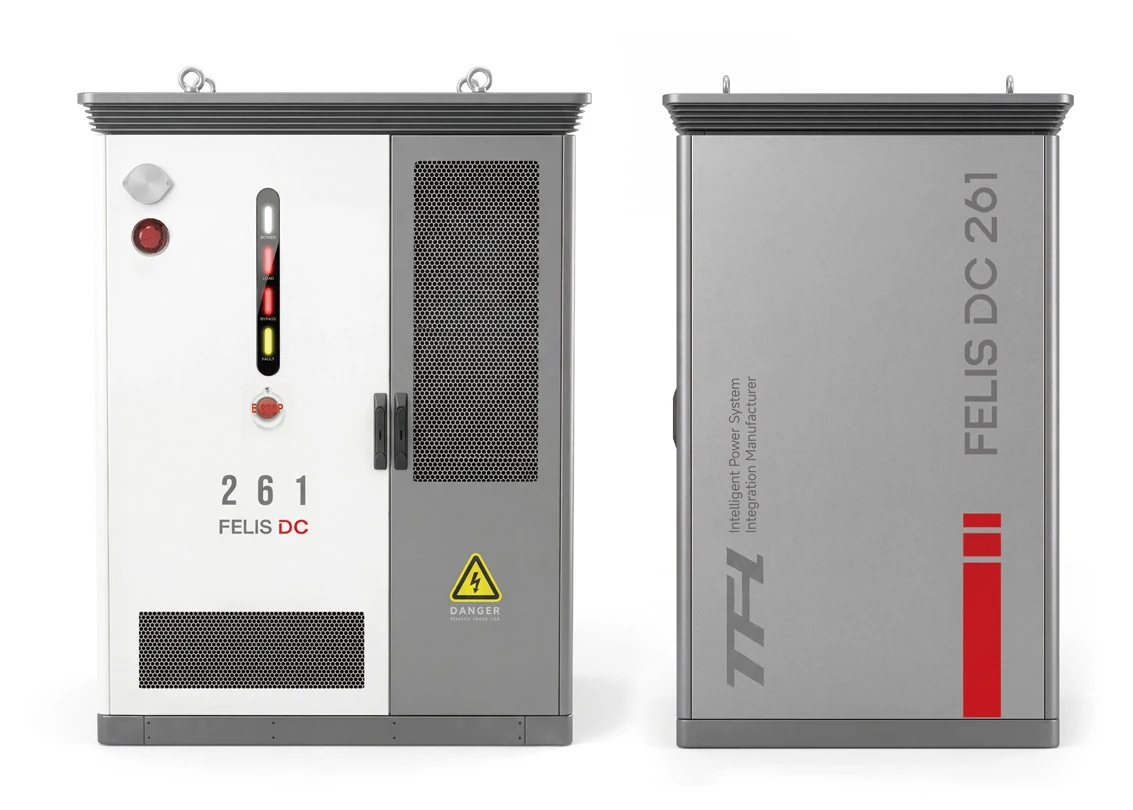
FELIS AC261 and DC261 brochures state 261.248 kWh rated energy. They do not establish usable energy, exact AC power, backup performance or current scheme eligibility. The animation is a generic AC-coupled example.
Research reviewed 20 September 2026. Sources: Australian Government business solar guide · Electricity tariffs · NSW business battery incentives.
Explore the range
Commercial assessments
Share your operating hours, electricity tariff, 12 months of interval data if available, existing solar details and site constraints. We’ll use these to discuss the next step.
Discuss your projectNSW business battery incentives opened in September 2026. Commercial rules and project eligibility differ from household battery incentives.
Read current incentive guidanceThe 261.248 kWh FELIS cabinet exceeds the federal household program’s 100 kWh nominal eligibility ceiling. Do not apply household rebate calculations to this range.
Make your next move a brighter one
A conversation, a clearer plan, and a system that fits.